

The ultimate low-ABV cocktail for warm weather. The floral, honeyed notes of elderflower liqueur mingle with the crisp acidity of dry white wine. It is effortless, light, and perfectly suited for sipping on a terrace as the sun goes down.
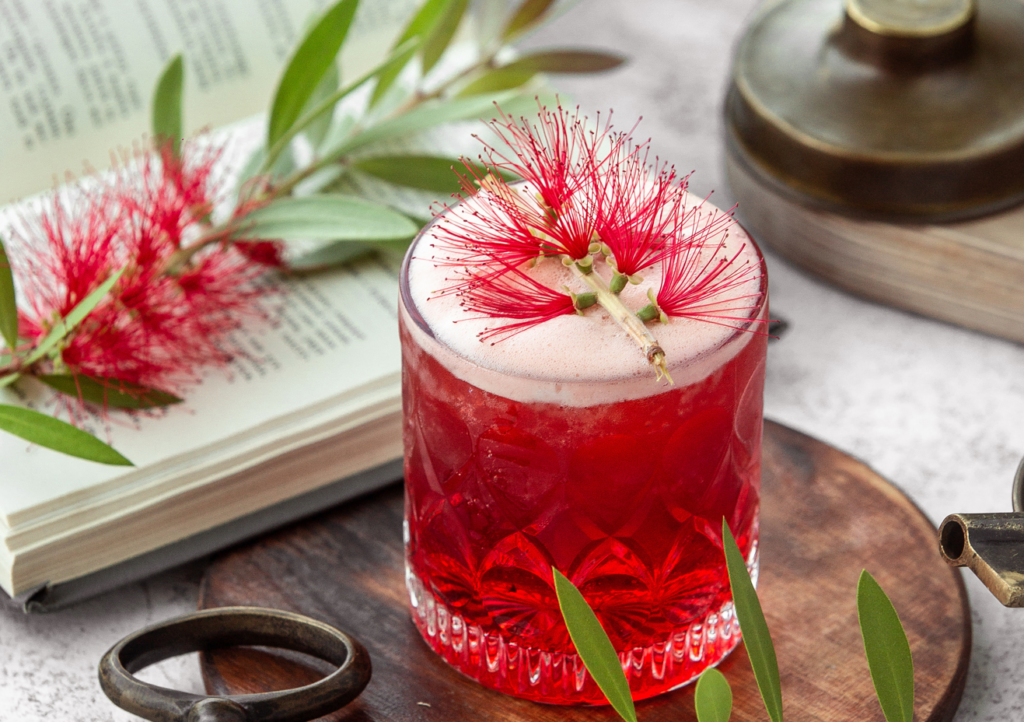
Pro-Tips for Home Bartending
- Fresh is Best: Never substitute fresh-squeezed citrus for bottled alternatives. The difference in brightness is unmistakable.
- The Power of Ice: Use large, clear ice cubes to slow dilution. If your ice is “wet” and melting too fast, your drink will lose its structural integrity within minutes.
- Technique Matters: When shaking, be vigorous. You aren’t just chilling the drink; you are aerating it to create a pleasing texture.
The Botanical Spritz is the quintessential “low-ABV” (alcohol by volume) cocktail, prized for its ability to balance sophisticated, complex aromatics with a refreshing, light finish. Because it is lower in alcohol than spirit-forward drinks, it is the perfect companion for long social afternoons or pre-dinner appetizers.
The Anatomy of the Perfect Spritz
At its heart, a Botanical Spritz relies on the 3-2-1 ratio (or variations thereof) to ensure the drink is never too sweet or too flat.
- 3 Parts Sparkling Component: Traditionally Prosecco or another dry sparkling white wine, which provides the effervescence and base acidity.
- 2 Parts Botanical Spirit/Liqueur: This is where you inject personality. Elderflower is the most popular choice, but you can use dry vermouths, floral gins, or herb-infused aperitifs.
- 1 Part Soda Water: This serves as the “lengthener,” cutting the sweetness and adding the crisp, clean finish that makes the drink so sessionable.
Why It Works
The appeal of the Botanical Spritz lies in its aromatic profile. Unlike heavy cocktails, the Spritz is built in a large wine or balloon glass. This oversized glassware allows the bouquet of the botanicals—whether it’s the honeyed floral notes of elderflower, the herbaceous bite of basil, or the citrus oils of a lemon peel—to concentrate at the top of the glass, greeting your nose before you take your first sip.
Variations to Try
Because the foundation is so versatile, you can tailor it to the season:
- The Spring Hugo: Prosecco, elderflower liqueur, club soda, and fresh mint. The mint adds a cooling, sharp contrast to the sweet elderflower.
- The Savory Garden: Dry white wine (like a crisp Sauvignon Blanc), a touch of dry vermouth, soda, and a cucumber ribbon with basil. This version leans into savory, green notes rather than sweet floral ones.
- The Orchard Twist: If you want something richer, use a dry cider or a splash of spiced pear liqueur, topped with Prosecco and garnished with a cinnamon stick or a slice of fresh pear.
Pro-Tips for Serving
- Temperature is everything: Chill your glass in the freezer for 10 minutes before building the drink. A warm glass will kill the carbonation of your sparkling wine immediately.
- The “Slow Stir”: When you add your soda water, use a long-handled bar spoon to give the drink one single, slow lift from the bottom. Do not over-mix, or you will lose the bubbles.
- Garnish with Purpose: The garnish isn’t just for looks. Slapping fresh herbs (like basil or mint) against your palm before placing them in the glass releases their essential oils, fundamentally changing the drink’s aroma.