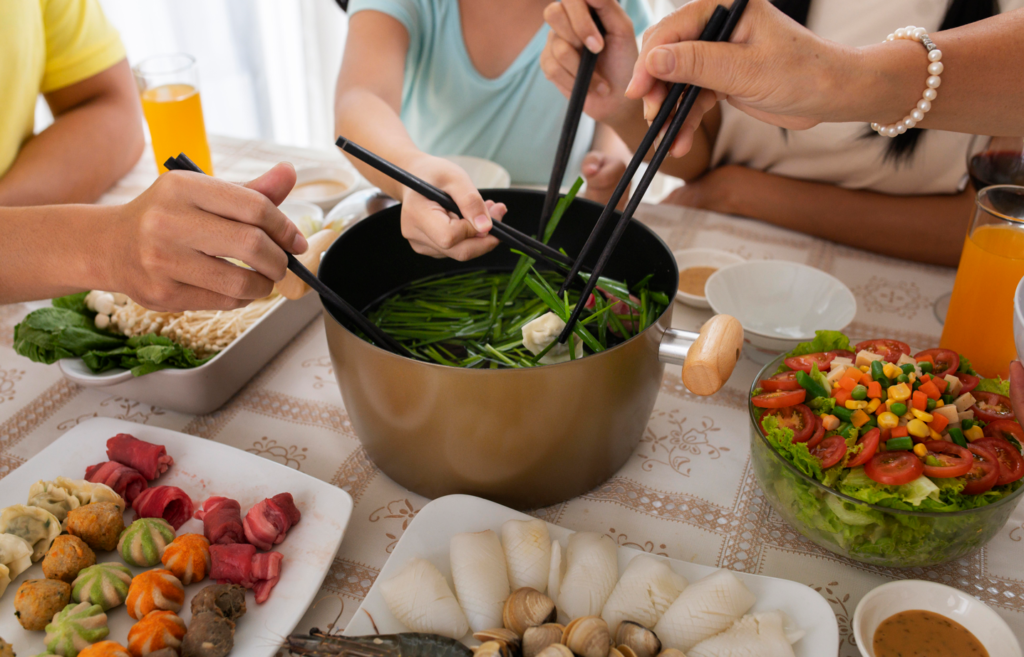

In today’s fast-paced world, it can be challenging to find the time to prepare healthy meals, especially for dinner. Many of us resort to quick and convenient options, such as fast food or pre-packaged meals, which are often high in inflammatory ingredients. These types of meals can leave us feeling sluggish and bloated, affecting our energy levels and digestion. However, with a little bit of planning and preparation, it is possible to enjoy delicious and anti-inflammatory dinners that will not only nourish our bodies but also improve our energy and digestion.
The key to meal prepping anti-inflammatory lunches is to focus on whole, unprocessed foods that are rich in nutrients and antioxidants. These types of foods can help reduce inflammation in the body, which is often the root cause of many health issues. By incorporating anti-inflammatory ingredients into our dinners, we can support our overall health and well-being.
One of the best ways to meal prep for anti-inflammatory lunches is to start with a solid foundation of whole grains. Whole grains, such as quinoa, brown rice, and oats, are rich in fiber and essential nutrients that can help reduce inflammation in the body. They also provide sustained energy, keeping us feeling full and satisfied throughout the day. Cook a large batch of your favorite whole grain at the beginning of the week and use it as a base for different dinner options.
Next, add a variety of colorful vegetables to your meal prep. Vegetables are packed with vitamins, minerals, and antioxidants that can help fight inflammation. Aim for a rainbow of colors on your plate, including leafy greens, bell peppers, carrots, and beets. You can roast a large batch of vegetables at the beginning of the week and use them in different dinner recipes, such as salads, wraps, or grain bowls.
Protein is another essential component of an anti-inflammatory dinner. Opt for lean protein sources, such as chicken, fish, tofu, or beans. These foods are rich in amino acids, which are the building blocks of protein and play a crucial role in reducing inflammation in the body. You can cook a large batch of protein at the beginning of the week and use it in different lunch recipes, such as stir-fries, soups, or sandwiches.
Healthy fats are also an essential part of an anti-inflammatory dinner. Foods like avocados, nuts, and olive oil are rich in monounsaturated and polyunsaturated fats, which have anti-inflammatory properties. These healthy fats can help improve digestion and keep us feeling full and satisfied. Add a handful of nuts or a drizzle of olive oil to your lunch for an extra dose of healthy fats.
When it comes to meal prepping anti-inflammatory dinners, it’s all about variety and balance. Don’t be afraid to experiment with different ingredients and flavors to keep your dinners interesting and satisfying. You can also use herbs and spices, such as turmeric, ginger, and garlic, to add flavor and anti-inflammatory benefits to your meals.
In addition to meal prepping, it’s essential to stay hydrated throughout the day. Drinking plenty of water can help flush out toxins and reduce inflammation in the body. You can also add lemon or cucumber slices to your water for an extra boost of flavor and anti-inflammatory benefits.
In conclusion, meal prepping anti-inflammatory dinners is a simple and effective way to improve our energy and digestion. By focusing on whole, unprocessed foods and incorporating a variety of colorful vegetables, lean protein, and healthy fats, we can support our overall health and well-being. With a little bit of planning and preparation, we can enjoy delicious and nourishing dishes that will leave us feeling energized and satisfied.