Protein is an essential macronutrient that plays a crucial role in building and repairing muscles, as well as aiding in fat loss. It is often referred to as the building block of the body, and for good reason. Our bodies use protein to build and maintain tissues, including muscles, bones, and skin. Therefore, it is essential to consume enough protein in our daily diets, especially during lunchtime, to support muscle recovery and fat loss.
When it comes to building muscle, protein is the key player. During a workout, our muscles undergo stress and micro-tears, which need to be repaired for them to grow stronger and bigger. This is where protein comes in. When we consume protein, it is broken down into amino acids, which are the building blocks of muscle tissue. These amino acids are then used to repair and rebuild the damaged muscle fibers, leading to muscle growth and recovery.
But protein is not just important for building muscle; it also plays a significant role in fat loss. Protein has a high thermic effect, meaning that our bodies burn more calories to digest and absorb it compared to other macronutrients like carbohydrates and fats. This means that by consuming protein, we are increasing our metabolism and burning more calories, which can aid in weight loss and fat loss.
Moreover, protein is also known to be highly satiating, meaning that it keeps us feeling full and satisfied for longer periods. This can be beneficial for those trying to lose weight, as it can help control cravings and prevent overeating. By including protein in our lunches, we can feel fuller for longer and avoid snacking on unhealthy, high-calorie foods.
So, how much protein should we be consuming during lunchtime? The recommended daily intake of protein is 0.8 grams per kilogram of body weight. However, for those looking to build muscle and lose fat, it is recommended to consume 1.2-1.7 grams of protein per kilogram of body weight. This means that for a person weighing 70 kilograms, they should aim to consume 84-119 grams of protein per day.
Now that we understand the importance of protein in our lunches, let’s explore some protein-packed lunch options that can aid in muscle recovery and fat loss.
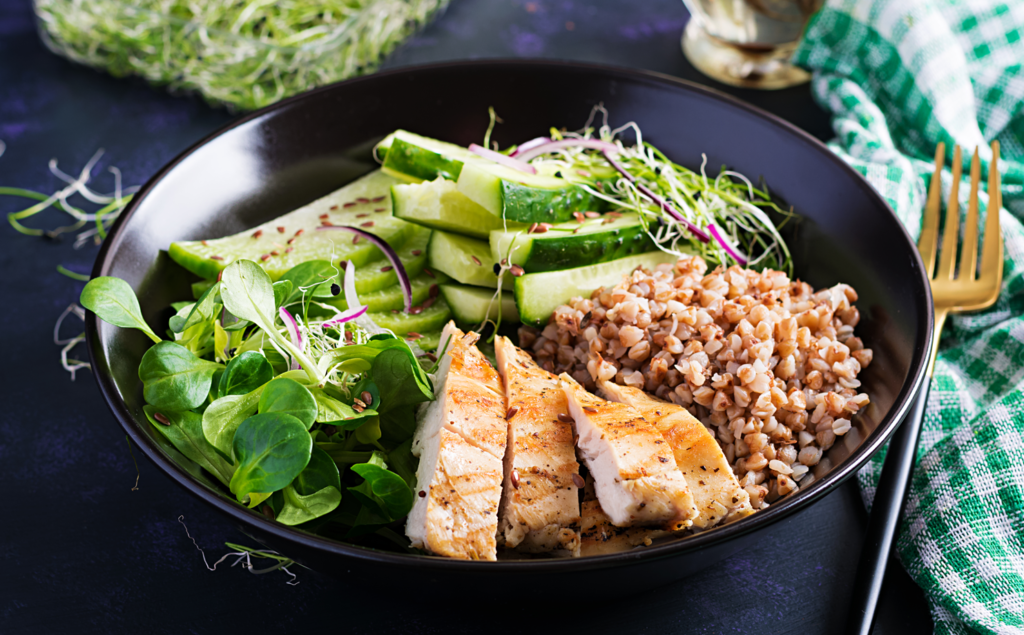
Firstly, lean meats such as chicken, turkey, and fish are excellent sources of protein. These meats are not only high in protein but also low in calories and fat. Grilled chicken or fish with a side of vegetables and a complex carbohydrate like brown rice or quinoa can make for a well-balanced and protein-rich lunch.
Eggs are another fantastic source of protein, with one large egg containing approximately 6 grams of protein. Hard-boiled eggs can be a convenient and easy option for a protein-packed lunch. They can be paired with whole-grain crackers, avocado, and vegetables for a well-rounded meal.
For vegetarians and vegans, there are plenty of plant-based protein options available. Legumes such as lentils, chickpeas, and beans are excellent sources of protein and can be incorporated into salads, soups, or wraps for a filling and nutritious lunch. Tofu and tempeh are also great sources of protein and can be used in stir-fries or sandwiches.
In addition to these options, protein shakes or bars can also be a convenient and quick way to get a protein boost during lunchtime. However, it is essential to choose protein shakes and bars that are low in sugar and additives.
In conclusion, protein is a vital nutrient for building and repairing muscles, as well as aiding in fat loss. By including protein in our lunches, we can support muscle recovery, increase metabolism, and control cravings. Lean meats, eggs, legumes, and protein shakes are all excellent options for a protein-packed lunch. So, next time you’re planning your lunch, make sure to include a good source of protein to reap its many benefits.
Best seller Kitchen Gadgets: